US Supreme Court Rejects Trump's Executive Order on Birthright Citizenship
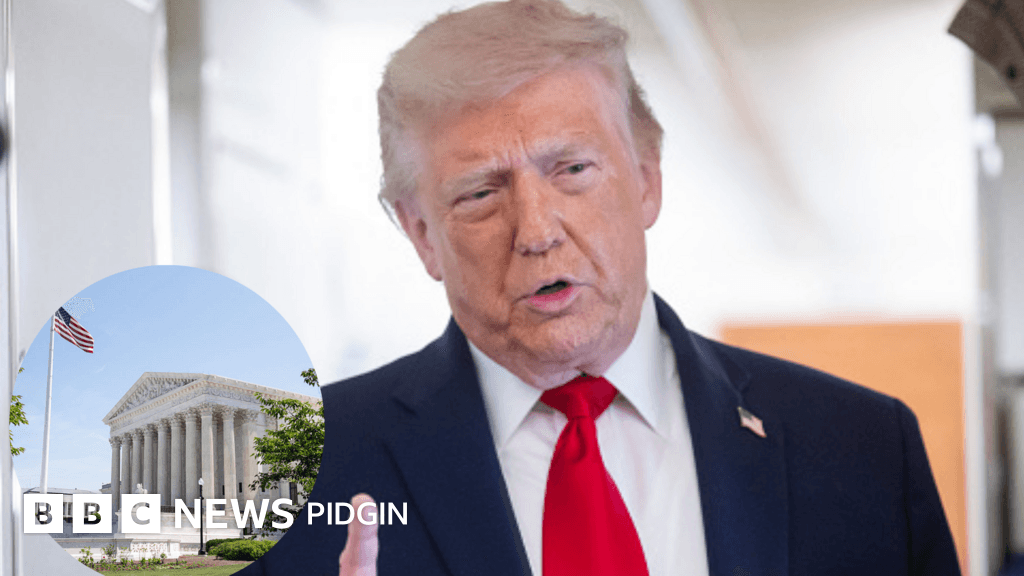
The US Supreme Court has delivered a significant blow to President Donald Trump's immigration agenda, rejecting his executive order that aimed to deny automatic citizenship to children born in the country to undocumented migrants. In a 6-3 decision, the court has upheld the 14th Amendment, which guarantees citizenship to anyone born in the US, regardless of their parents' immigration status.
This ruling is a major setback for Trump, who has been vocal about his opposition to birthright citizenship since 2015. Trump had signed an executive order on his first day back in office last year, seeking to stop federal agencies from issuing citizenship to children born in the US to non-citizen parents. However, lower courts had already blocked the order, and the Supreme Court has now confirmed that decision.
The court's majority opinion, written by Chief Justice John Roberts, invoked the history of the 14th Amendment, which was passed after the US Civil War to ensure that freed slaves were granted citizenship. This decision confirms that the US remains one of the few countries in the world that grants automatic citizenship to anyone born within its borders.
The implications of this decision are far-reaching, not just for the Trump administration but for the broader debate on immigration and citizenship in the US. It marks a significant victory for advocates of immigration rights and those who believe in the importance of birthright citizenship.
Key Takeaways
- The US Supreme Court has rejected President Trump's executive order on birthright citizenship.
- The court's decision upholds the 14th Amendment, which guarantees citizenship to anyone born in the US.
- The ruling is a major setback for Trump's immigration agenda, which has been marked by controversy and opposition.
- The decision confirms that the US remains one of the few countries in the world that grants automatic citizenship to anyone born within its borders.
Why This Matters
This decision has significant implications for the US immigration system and the debate on citizenship. It confirms that the country's long-standing tradition of granting citizenship to anyone born within its borders will continue, and that the 14th Amendment will remain a cornerstone of American law.
Source: BBC