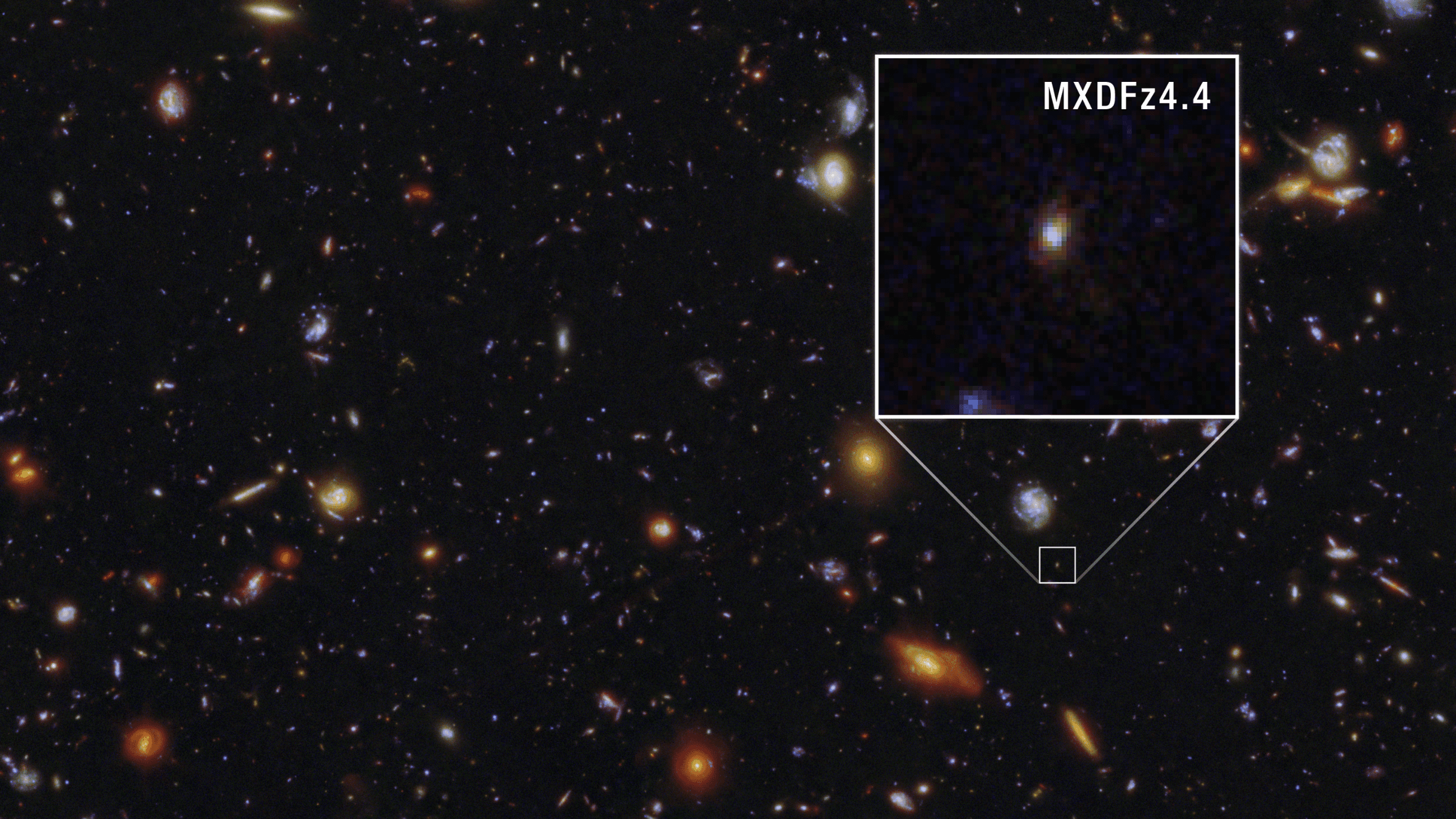
Astronomers have captured a groundbreaking image of a gamma-ray burst, the longest ever observed, using the Submillimeter Array (SMA) on Mauna Kea. The SMA's high-resolution snapshot reveals a high-speed jet of material being launched from a source, offering scientists a unique glimpse into these intense cosmic events. The image was taken on January 26, 2026.
Gamma-ray bursts are incredibly powerful explosions that occur when massive stars collapse or when neutron stars or black holes merge. These events release enormous amounts of energy, which can be seen from billions of light-years away. The SMA's image provides a detailed look at the aftermath of one such burst, known as GRB 250702B.
The discovery has significant implications for our understanding of these cosmic events and the physics that govern them. By studying the behavior of the high-speed jet, scientists can gain insights into the extreme conditions that exist at the heart of these explosions. The SMA's observations are set to shed new light on the mysteries of gamma-ray bursts and their role in shaping the universe.
Key Takeaways
- The Submillimeter Array (SMA) captured a high-resolution image of a gamma-ray burst, GRB 250702B, on January 26, 2026.
- The image reveals a high-speed jet of material launched from the source of the explosion.
- The gamma-ray burst is the longest ever observed, offering scientists a unique opportunity to study these cosmic events.
Why This Matters
The discovery of the gamma-ray burst's aftermath is a significant step forward in our understanding of these powerful cosmic events. By studying the behavior of the high-speed jet, scientists can gain insights into the extreme conditions that exist at the heart of these explosions, shedding new light on the mysteries of the universe.
Source: Mirage News