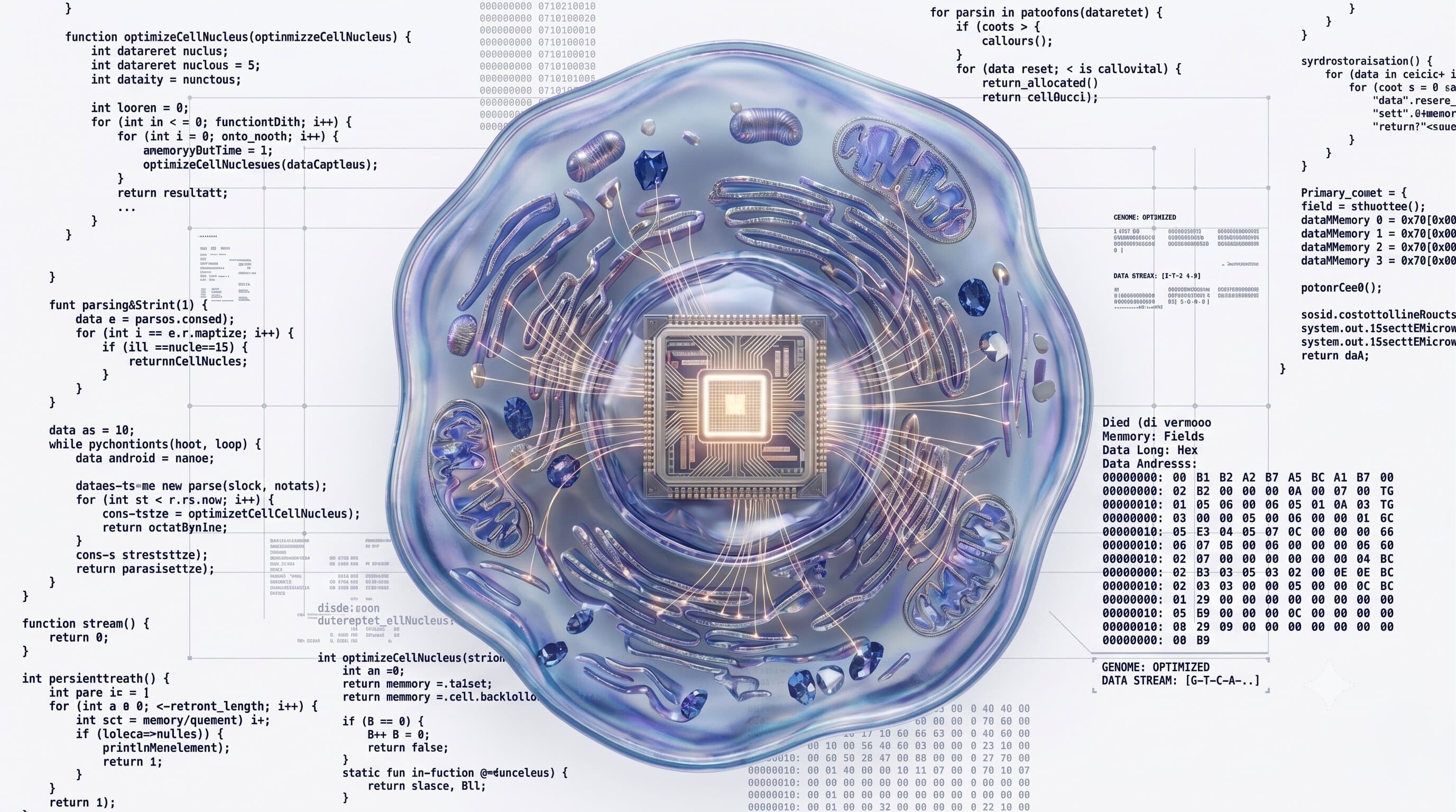
Scientists have made a groundbreaking discovery in the field of biotechnology, teaching human cells to perform calculations and make decisions autonomously. This breakthrough, published in Nature Communications, marks a significant step towards creating tiny computers within our bodies. The development was led by Ph.D. student Keren Roas and Dr. Lior Nissim from Hebrew University of Jerusalem.
The researchers used a novel approach to program human cells, allowing them to process information and make decisions independently. This process involves using a combination of genetic engineering and computational tools to instruct cells on how to perform specific tasks. The team's innovation has the potential to revolutionize fields such as medicine, where cells could be programmed to detect diseases or develop targeted treatments.
While the implications of this breakthrough are still being explored, the possibilities are vast. For instance, cells could be programmed to monitor and respond to environmental changes, or even create novel biomaterials. The team's work has sparked excitement in the scientific community, with many experts hailing this achievement as a major milestone in the field of biotechnology.
Key Takeaways
- Researchers have developed a way to program human cells to perform calculations and make autonomous decisions.
- The breakthrough was led by Ph.D. student Keren Roas and Dr. Lior Nissim from Hebrew University of Jerusalem.
- The innovation involves a combination of genetic engineering and computational tools to instruct cells on how to perform specific tasks.
Why This Matters
This discovery has the potential to transform various fields, including medicine, where cells could be programmed to detect diseases or develop targeted treatments. The possibilities are vast, and experts are eagerly awaiting further research to explore the full implications of this breakthrough.
Source: Phys.org