Quick Brief
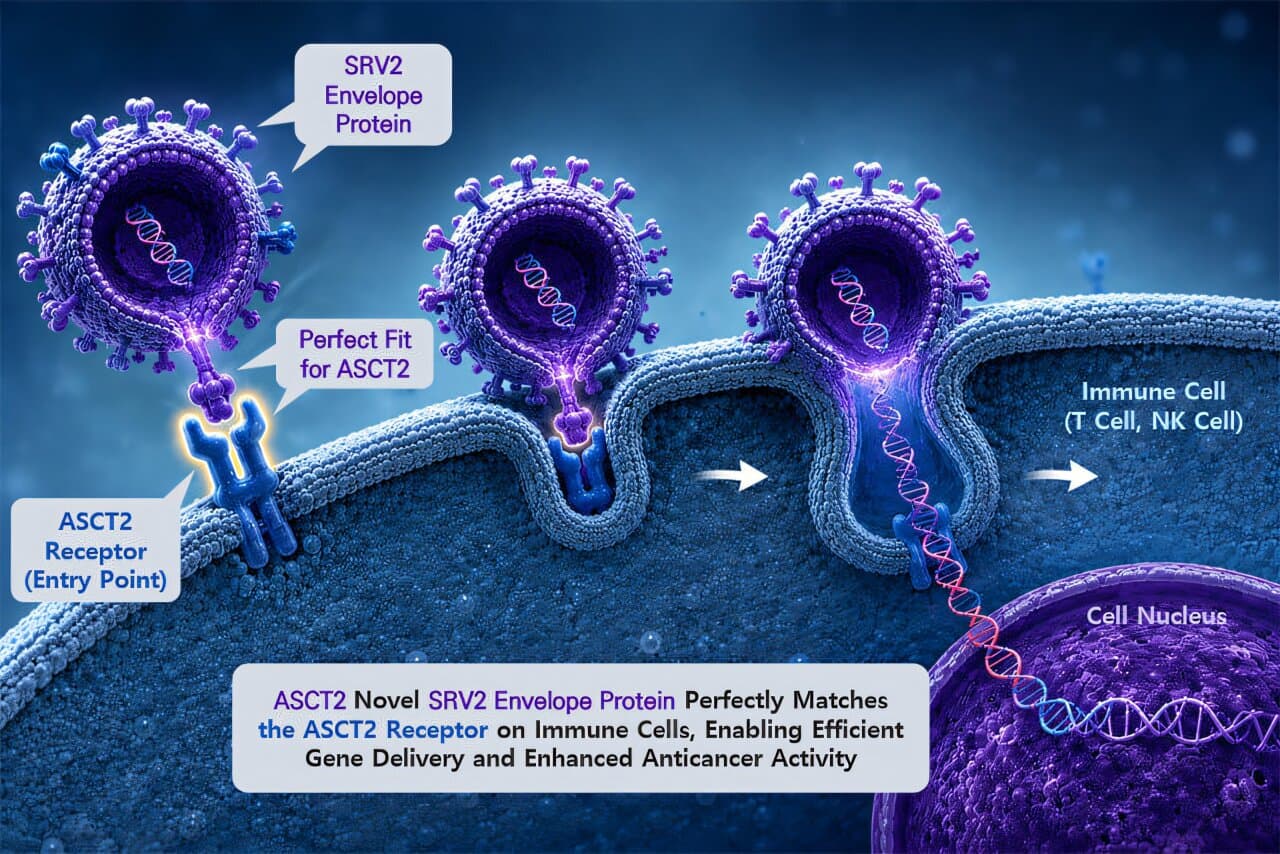
A Korean research team has made a significant breakthrough in developing a new viral vector technology for CAR immune cell therapies. These therapies are designed to recognize and destroy cancer cells. The team's innovation, which involves a novel SRV2 envelope protein, has shown to improve the production efficiency of CAR immune cell therapies.
The researchers believe that their technology has the potential to revolutionize the field of cell and gene therapies. The improved production efficiency is expected to make these therapies more accessible and affordable for patients worldwide.
Further research and testing are needed to confirm the efficacy and safety of the new technology. The team's discovery has sparked hope for better cancer treatment options and improved patient outcomes.
Why This Matters
This breakthrough in viral vector technology has significant implications for cancer patients worldwide. Improved production efficiency of CAR immune cell therapies means that more patients can access these life-saving treatments. The reduced costs associated with the new technology can also make it more accessible to those in need.
For researchers and medical professionals, this innovation opens up new avenues for exploration in the field of cell and gene therapies. It may also lead to the development of new treatments for other diseases beyond cancer.
Background
CAR immune cell therapies are a type of immunotherapy that involves modifying a patient's immune cells to recognize and destroy cancer cells. These therapies have shown promise in treating various types of cancer, including leukemia and lymphoma.
The production of CAR immune cells is a complex process that requires significant resources and expertise. The development of new viral vector technologies like the one discovered by the Korean research team can help streamline this process, making it more efficient and cost-effective.
Key Details
- The Korean research team developed a new viral vector technology that improves the production efficiency of CAR immune cell therapies.
- The technology involves a novel SRV2 envelope protein that enhances the production of CAR immune cells.
- The improved production efficiency is expected to make CAR immune cell therapies more accessible and affordable for patients worldwide.
- The research team believes that their technology has the potential to revolutionize the field of cell and gene therapies.
- Further research and testing are needed to confirm the efficacy and safety of the new technology.
- The team's discovery has sparked hope for better cancer treatment options and improved patient outcomes.
Possible Impact
The improved production efficiency of CAR immune cell therapies may have a significant impact on cancer patients worldwide. It may lead to increased access to these life-saving treatments, resulting in better patient outcomes and improved survival rates.
The reduced costs associated with the new technology may also make it more accessible to those in need. This could lead to a more equitable distribution of resources and better healthcare outcomes for marginalized communities.
What To Watch Next
As the research team continues to develop and refine their technology, readers should monitor the following developments:
- Clinical trials: The team's technology will likely undergo rigorous clinical trials to confirm its efficacy and safety.
- Patent applications: The team may file patent applications to protect their intellectual property and prevent others from reproducing their technology.
- Collaboration and partnerships: The team may collaborate with other researchers, medical professionals, and industry partners to advance their technology and bring it to market.
Source and Transparency
Source: Phys.org This BRIEFXIFY brief is AI-assisted and based on publicly available news source information. It is written for quick understanding and does not replace the original report. Read the original source for full context.