Quick Brief
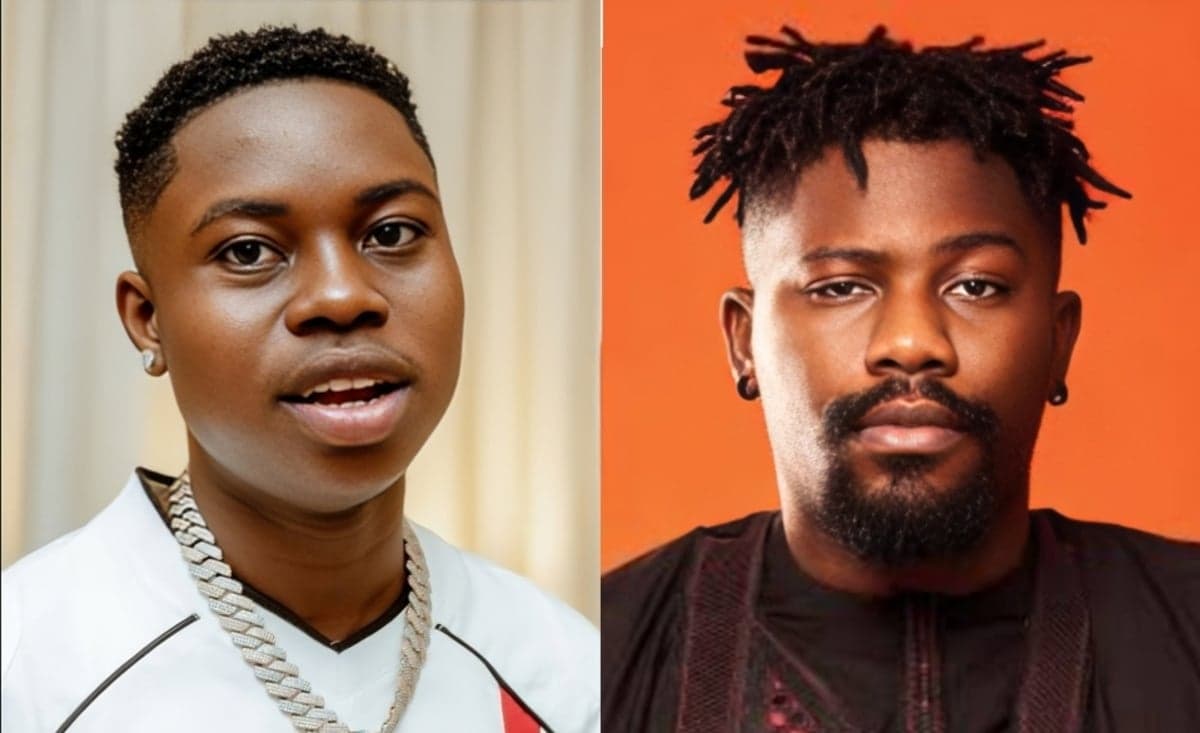
Nigerian singer YCee has sparked controversy with his comments on the country's growing "brain-rot" content on social media. He described the trend as an "olodo uprising," which many interpreted as a personal attack on Senator Adewale Oluremi Peller. YCee has since responded to the criticism, stating that he stands by his comments.
YCee's comments have drawn attention to the growing social media presence in Nigeria and the impact of low-quality content on society. The controversy has sparked a wider discussion about the role of artists in shaping public opinion in Nigeria. Many have accused YCee of being elitist and out of touch with the average Nigerian.
The debate surrounding YCee's comments highlights the complex relationship between artists, social media, and public opinion in Nigeria. As social media continues to play a significant role in shaping opinions and influencing behavior, artists like YCee are under scrutiny for their role in perpetuating or critiquing certain trends.
Why This Matters
YCee's comments reflect a growing concern about the quality of content on social media in Nigeria and its potential impact on the country's youth. The controversy highlights the complex role of artists in shaping public opinion and the need for thoughtful engagement with social issues. As social media continues to dominate Nigerian culture, the debate surrounding YCee's comments serves as a reminder of the responsibility that comes with using this platform.
The controversy also raises questions about the power of social media to shape public opinion and influence behavior. With millions of Nigerians active on social media, the spread of information and ideas can happen quickly, often with far-reaching consequences. YCee's comments have sparked a wider discussion about the role of social media in shaping Nigerian society and the impact of low-quality content on the country's youth.
Background
Social media has become an integral part of Nigerian culture, with millions of people active on various platforms. The rise of social media has created new opportunities for artists, politicians, and other public figures to engage with their audience and shape public opinion. However, it also raises concerns about the quality of content being shared and the potential impact on society.
In recent years, there has been a growing trend of low-quality or "brain-rot" content on social media in Nigeria. This has sparked concerns about the impact of such content on the country's youth and the broader society. YCee's comments reflect this growing concern and highlight the need for thoughtful engagement with social issues.
Key Details
- YCee has sparked controversy with his comments on the country's growing "brain-rot" content on social media.
- He described the trend as an "olodo uprising," which many interpreted as a personal attack on Senator Adewale Oluremi Peller.
- YCee has since responded to the criticism, stating that he stands by his comments.
- The controversy has drawn attention to the growing social media presence in Nigeria and the impact of low-quality content on society.
- Many have accused YCee of being elitist and out of touch with the average Nigerian.
- The debate surrounding YCee's comments highlights the complex relationship between artists, social media, and public opinion in Nigeria.
Possible Impact
The controversy surrounding YCee's comments may have a significant impact on the music industry in Nigeria. As one of the country's most prominent artists, YCee's comments have sparked a wider discussion about the role of artists in shaping public opinion and the need for thoughtful engagement with social issues.
The debate may also have a broader impact on Nigerian society, highlighting the importance of critical thinking and media literacy in the digital age. As social media continues to play a significant role in shaping opinions and influencing behavior, the controversy surrounding YCee's comments serves as a reminder of the responsibility that comes with using this platform.
What To Watch Next
The controversy surrounding YCee's comments is likely to continue in the coming weeks and months. As social media continues to dominate Nigerian culture, the debate surrounding YCee's comments will likely be a catalyst for further discussion about the role of artists, social media, and public opinion in Nigeria.
Readers should monitor the situation closely, as it may have significant implications for the music industry and Nigerian society as a whole. The controversy may also lead to further debate about the role of social media in shaping public opinion and the need for thoughtful engagement with social issues.
Source and Transparency
Source: Tribune Online This BRIEFXIFY brief is AI-assisted and based on publicly available news source information. It is written for quick understanding and does not replace the original report. Read the original source for full context.


