Quick Brief
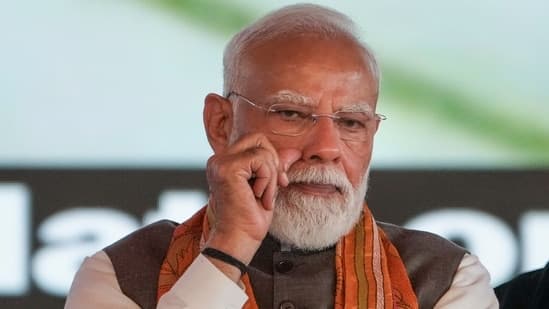
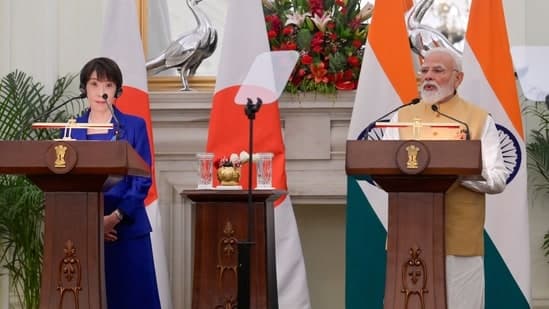
Prime Minister Narendra Modi and his Japanese counterpart Sanae Takaichi have jointly condemned Pakistan-backed terrorism in India. The condemnation came after the two leaders discussed the recent terror attacks in the country, including the 2025 Pahalgam terror attack and the Red Fort blasts. Modi and Takaichi called for action against terror outfits such as Lashkar-e-Taiba (LeT) and Jaish-e-Mohammad (JeM), which are based in Pakistan.
Their joint statement aims to increase pressure on Pakistan to take action against these terror groups. The move is seen as a significant step in strengthening India-Japan relations and addressing the threat of terrorism in the region. The two leaders also reaffirmed their commitment to cooperation on counter-terrorism efforts.
The statement highlights the shared concerns of India and Japan regarding the threat posed by Pakistan-backed terror groups. By calling for action against LeT and JeM, Modi and Takaichi are sending a strong message to Pakistan that its support for terrorism will not be tolerated.
Why This Matters
This development matters to Indians and people around the world who are concerned about the threat of terrorism. The joint condemnation by Modi and Takaichi sends a strong signal that India and Japan will not tolerate Pakistan's support for terror groups. This move is also significant for India's national security and its efforts to counter terrorism in the region.
Furthermore, the strengthening of India-Japan relations through this joint statement has implications for regional dynamics and global security. As two major countries in the region, India and Japan are working together to address common challenges and promote stability.
Background
India and Japan have a long-standing relationship that is based on shared values and strategic interests. The two countries have been cooperating on a range of issues, including trade, defense, and counter-terrorism. This joint statement is part of their efforts to strengthen their partnership and address the challenges posed by terrorism in the region.
Pakistan-based terror groups, such as LeT and JeM, have been responsible for several high-profile attacks in India, including the 2019 Pulwama attack. These groups have been supported by Pakistan, which has been accused of providing them with safe havens and resources.
Key Details
- Prime Minister Narendra Modi and Japanese PM Sanae Takaichi jointly condemned Pakistan-backed terrorism in India.
- The condemnation came after the two leaders discussed the recent terror attacks in the country, including the 2025 Pahalgam terror attack and the Red Fort blasts.
- Modi and Takaichi called for action against terror outfits such as Lashkar-e-Taiba (LeT) and Jaish-e-Mohammad (JeM).
- The joint statement aims to increase pressure on Pakistan to take action against these terror groups.
- The two leaders reaffirmed their commitment to cooperation on counter-terrorism efforts.
- The statement highlights the shared concerns of India and Japan regarding the threat posed by Pakistan-backed terror groups.
Possible Impact
The joint condemnation by Modi and Takaichi may put pressure on Pakistan to take action against LeT and JeM. This could lead to a reduction in terror activities in the region and a decrease in the threat posed by these groups. However, it is too early to predict the outcome of this development.
The possible impact of this joint statement is significant for India's national security and its efforts to counter terrorism in the region. It also has implications for regional dynamics and global security, as India and Japan strengthen their partnership to address common challenges.
What To Watch Next
Readers should monitor the response of Pakistan to the joint condemnation by Modi and Takaichi. Will Pakistan take action against LeT and JeM, or will it continue to support these terror groups? The outcome of this development will be closely watched by observers in India and around the world.
Source and Transparency
Source: Hindustan Times This BRIEFXIFY brief is AI-assisted and based on publicly available news source information. It is written for quick understanding and does not replace the original report. Read the original source for full context.