Quick Brief
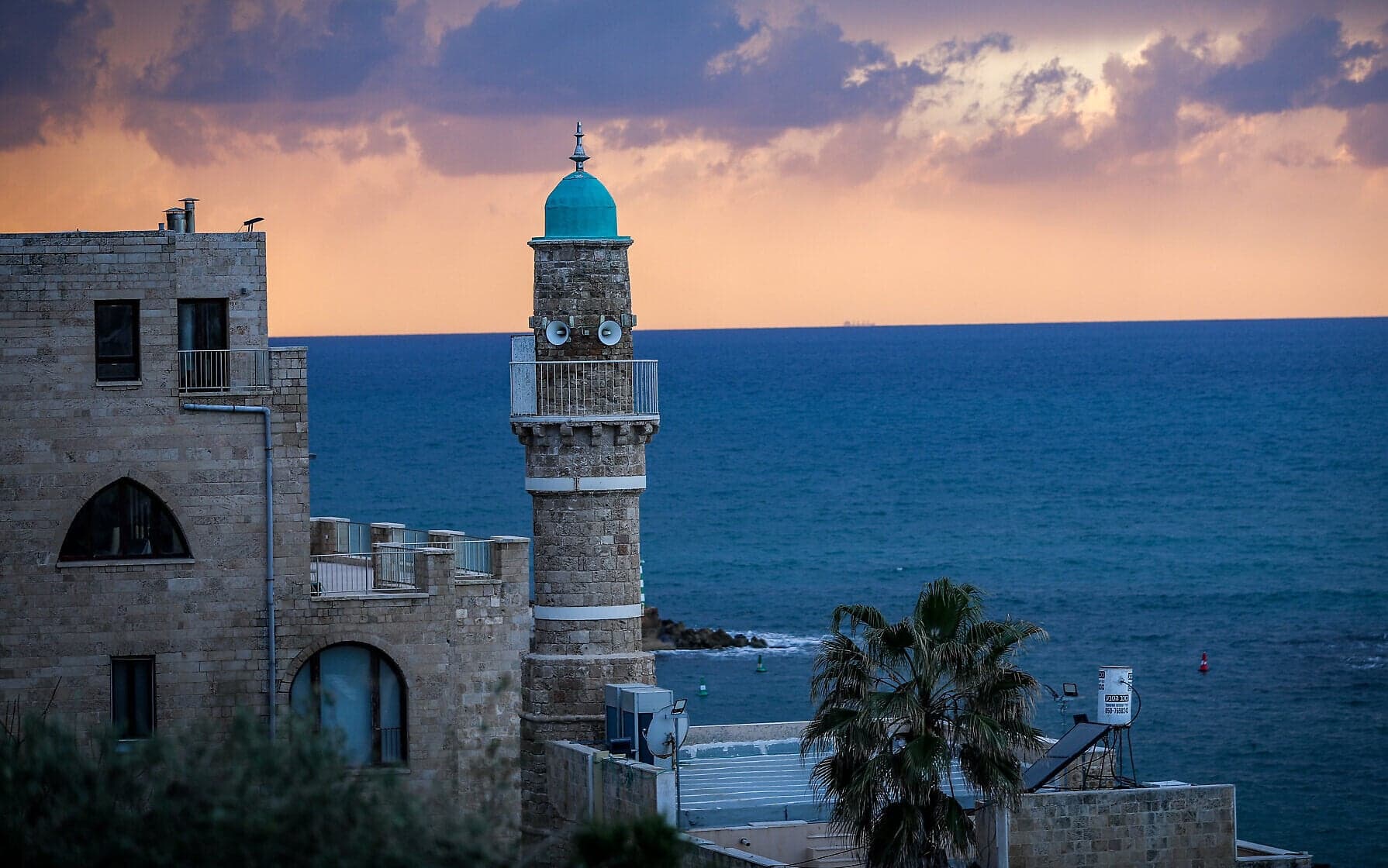
The Knesset, Israel's parliament, has advanced a bill aimed at reducing the volume of mosque calls to prayer. The bill, proposed by far-right MK Zvika Fogel from the Otzma Yehudit party, passed a preliminary reading with a 50-36 vote. Supporters argue that the bill is about enforcing equal law enforcement, while critics see it as targeting the Arab minority community.
The bill's advancement comes as a contentious issue in Israeli politics. Arab lawmakers have raised concerns that the legislation is motivated by a lack of effort to address violent crime within the minority community. The bill's supporters, on the other hand, claim that it is about addressing unreasonable noise levels.
Why This Matters
This bill's advancement has significant implications for Israel's Arab minority community. The legislation could potentially restrict the right to practice their faith and may be perceived as an attack on their cultural identity. As tensions between different communities in Israel continue to rise, the outcome of this bill could have far-reaching consequences for social cohesion and community relations.
Background
Mosque calls to prayer are an integral part of the Islamic faith, and the right to practice one's faith is a fundamental human right. In many Muslim-majority countries, the call to prayer is a loud and public announcement, often using a loudspeaker system. In Israel, however, the use of loudspeakers for mosque calls has been a contentious issue for some time, with some residents complaining about the noise levels.
Key Details
- The Knesset voted 50-36 in favor of advancing the bill in a preliminary reading.
- The bill aims to restrict the use of loudspeakers in mosques, citing "unreasonable noise" levels.
- Supporters of the bill, including MK Fogel, argue that it is about enforcing equal law enforcement.
- Arab lawmakers have criticized the bill, claiming it targets the Arab minority community.
- The bill's advancement comes amid rising tensions between different communities in Israel.
- The Knesset will continue to debate the bill in the coming days.
Possible Impact
The advancement of this bill could have significant consequences for Israel's Arab minority community. If passed, it could restrict their right to practice their faith and may be perceived as an attack on their cultural identity. The bill's impact may also be felt beyond the Arab community, as it could further exacerbate tensions between different communities in Israel.
What To Watch Next
As the Knesset continues to debate the bill, readers should monitor the following developments:
- The number of votes in favor and against the bill in subsequent readings.
- The reactions of Arab lawmakers and the broader Arab community to the bill's advancement.
- The statements from MK Fogel and other supporters of the bill in response to criticism from the opposition.
- The potential amendments to the bill and how they may address concerns from both sides.
Source and Transparency
Source: The Times of Israel This BRIEFXIFY brief is AI-assisted and based on publicly available news source information. It is written for quick understanding and does not replace the original report. Read the original source for full context.