Quick Brief
India has announced that the Indus Waters Treaty (IWT) will be held in abeyance, effective immediately. This decision will remain in place until Pakistan credibly and irrevocably ceases its support for cross-border terrorism. The announcement was made by Randhir Jaiswal, the official spokesperson for India's External Affairs Ministry.
This move comes in response to recent calls from Pakistan for the treaty's restoration, made during an international conference where Pakistan's Foreign Minister Ishaq Dar described the IWT as vital for regional stability. India views Pakistan's continued sponsorship of terrorism as a violation of the treaty's spirit of goodwill and friendship.
Why This Matters
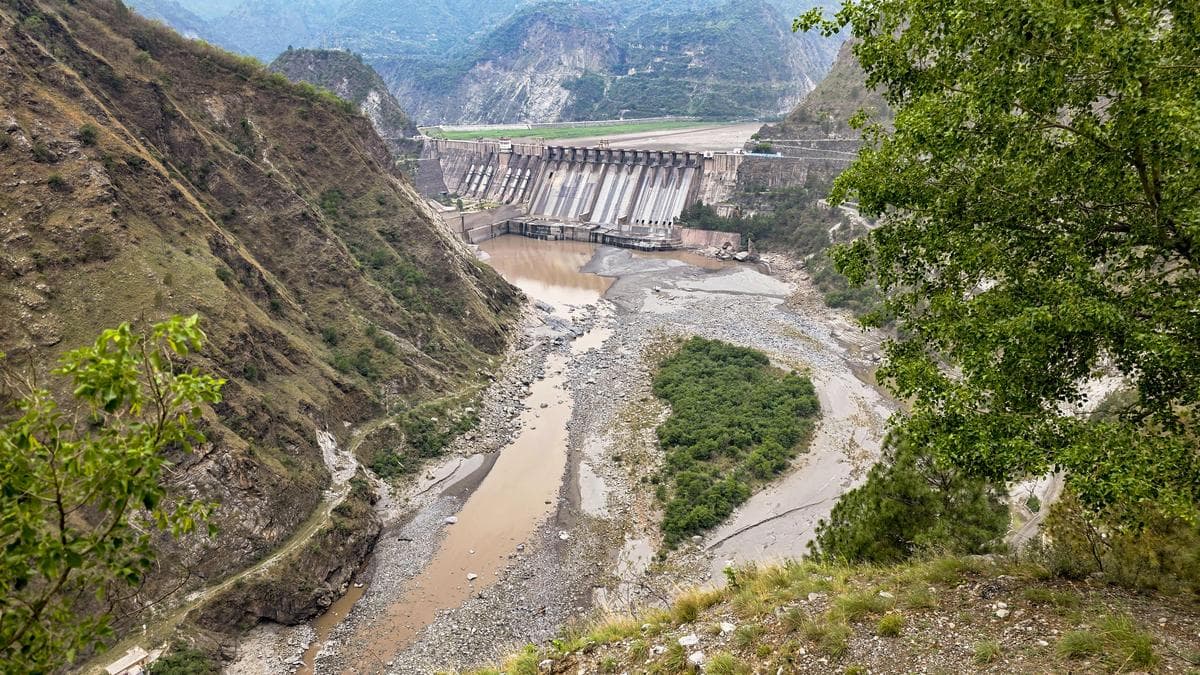
The Indus Waters Treaty is a critical agreement that governs the use of the Indus River system's waters, which are shared between India and Pakistan. This treaty has managed water disputes for decades, influencing the agricultural and economic well-being of millions in both countries. By putting the treaty in abeyance, India is signaling a significant shift in its approach to bilateral relations, directly linking water resource management to Pakistan's actions on terrorism. This raises concerns about the future of water sharing and regional cooperation.
Background
The Indus Waters Treaty was signed in 1960 and brokered by the World Bank. It allocates the waters of the three eastern rivers (Ravi, Beas, and Sutlej) to India and the waters of the three western rivers (Indus, Jhelum, and Chenab) to Pakistan, with India being granted rights for the use of waters from western rivers for specific purposes like irrigation and power generation. The treaty has largely survived through periods of political tension between the two nations. However, India has previously expressed concerns about Pakistan's alleged role in cross-border terrorism.
Key Details
- India has placed the Indus Waters Treaty (IWT) in abeyance effective immediately.
- The treaty will remain suspended until Pakistan "credibly and irrevocably" stops supporting cross-border terrorism.
- The announcement was made by External Affairs Ministry spokesperson Randhir Jaiswal.
- This statement follows a conference in Pakistan where the IWT was discussed as vital for regional cooperation.
- India previously put the treaty in abeyance after the Pahalgam terror attack on April 22, 2025, which resulted in significant civilian casualties.
- India has also indicated willingness to discuss the handover of "noted terrorists" to Pakistan.
Possible Impact
The suspension of the Indus Waters Treaty could have significant implications for both India and Pakistan. For Pakistan, it could impact its access to and management of water resources from the western rivers, potentially affecting agriculture and economic stability, especially as the country is reportedly dealing with a severe heatwave. For India, it represents a strong stance on national security, linking a vital bilateral agreement to Pakistan's counter-terrorism efforts. This could also affect regional cooperation and diplomatic relations, potentially leading to increased tensions. Other factors like climate change, demographic shifts, and technological advancements, as mentioned by India, may also influence future water management discussions.
What To Watch Next
Readers should monitor Pakistan's official response to India's announcement and any actions it may take regarding cross-border terrorism. It will also be important to observe how international bodies, particularly the World Bank, react to the treaty being held in abeyance. Further statements or actions from both governments concerning bilateral relations and water management will be key indicators of future developments. The impact on ongoing water-sharing mechanisms and any potential new discussions on the treaty's future will also be areas to watch.
Source: The Hindu This BRIEFXIFY brief is AI-assisted and based on publicly available news source information. It is written for quick understanding and does not replace the original report. Read the original source for full context.