Quick Brief
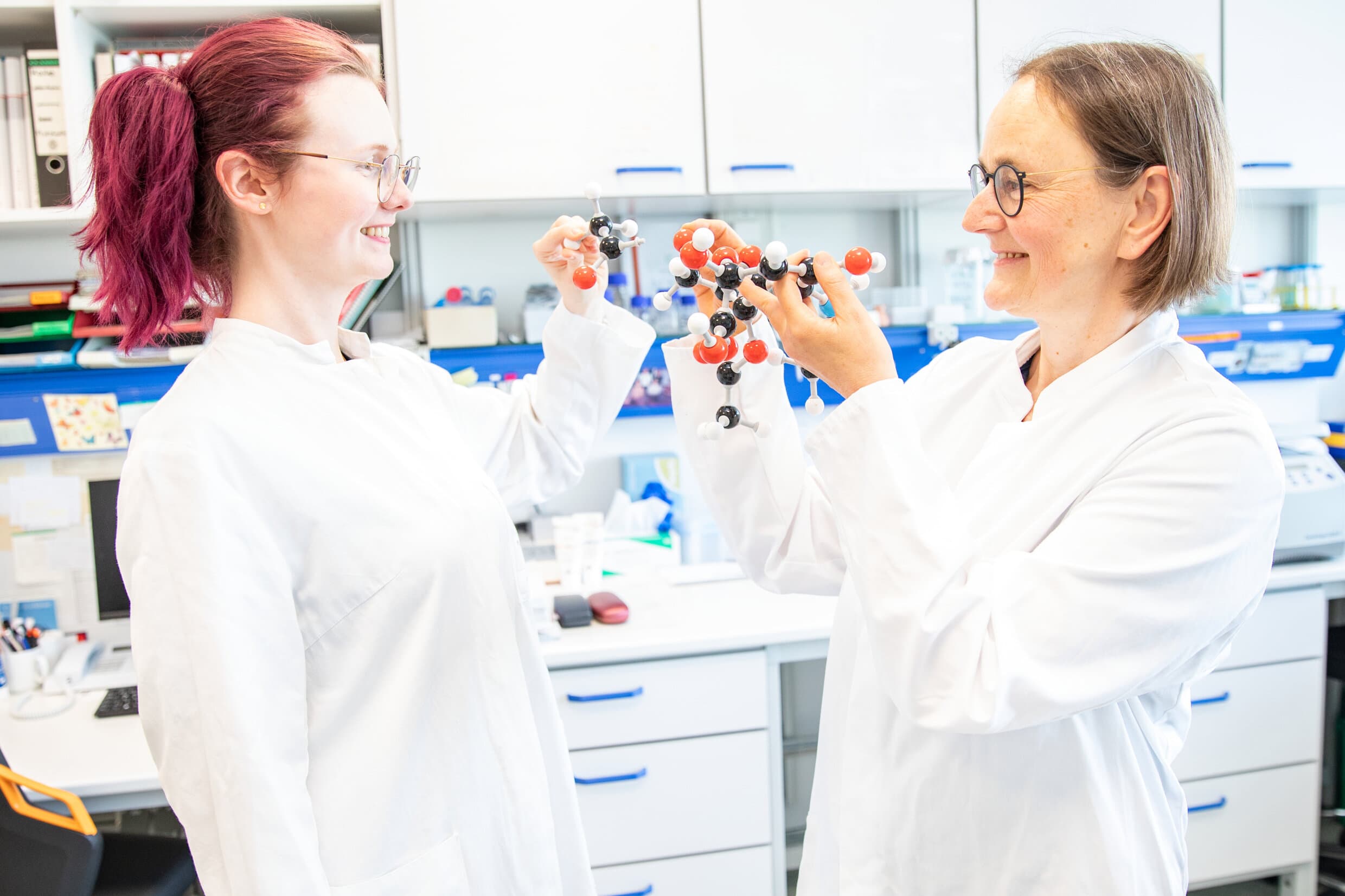
Researchers at Hannover Medical School have made a groundbreaking discovery about how a natural sugar building block called sialic acid influences viral attachment. Sialic acid is found on the surfaces of our cells and plays a crucial role in the development of the nervous system, as well as serving as a protective and recognition molecule. The researchers found that the building blocks of sialic acid can be swapped out to alter its properties.
This discovery is particularly significant because certain strains of influenza and coronavirus use modified sialic acids as receptors to enter host cells. The researchers' findings could lead to a better understanding of how these viruses interact with our cells, and ultimately inform the development of new treatments or vaccines. Their work also sheds light on the complex process of how sialic acid molecules reach their target on the surface of host cells.
The implications of this research are far-reaching and could have a major impact on the fight against infectious diseases. By understanding how sialic acid influences viral attachment, scientists may be able to develop new strategies for preventing or treating illnesses caused by these viruses.
Why This Matters
This research has the potential to revolutionize our understanding of how viruses interact with our cells and could lead to the development of new treatments or vaccines for diseases caused by influenza and coronavirus. This is especially relevant given the ongoing threat of these viruses and the need for effective prevention and treatment strategies.
Background
Sialic acid is a type of sugar molecule that is naturally found on the surfaces of our cells. It plays a crucial role in the development of the nervous system and also serves as a protective and recognition molecule. The researchers at Hannover Medical School have been studying how sialic acid molecules are made and how they interact with our cells.
Key Details
- Sialic acid is a natural sugar building block found on the surfaces of our cells.
- The building blocks of sialic acid can be swapped out to alter its properties.
- Certain strains of influenza and coronavirus use modified sialic acids as receptors to enter host cells.
- The researchers' findings could lead to a better understanding of how these viruses interact with our cells.
- This research may inform the development of new treatments or vaccines.
Possible Impact
This research could have a major impact on the fight against infectious diseases caused by influenza and coronavirus. By understanding how sialic acid influences viral attachment, scientists may be able to develop new strategies for preventing or treating these illnesses. This could lead to improved public health outcomes and a reduced burden on healthcare systems.
What To Watch Next
Readers should monitor the development of new treatments or vaccines based on the researchers' findings. They should also follow updates on the ongoing research into sialic acid and its role in viral attachment. Additionally, they should keep an eye on the impact of this research on public health outcomes and the development of new strategies for preventing or treating infectious diseases.
Source and Transparency
Source: Phys.org This BRIEFXIFY brief is AI-assisted and based on publicly available news source information. It is written for quick understanding and does not replace the original report. Read the original source for full context.